
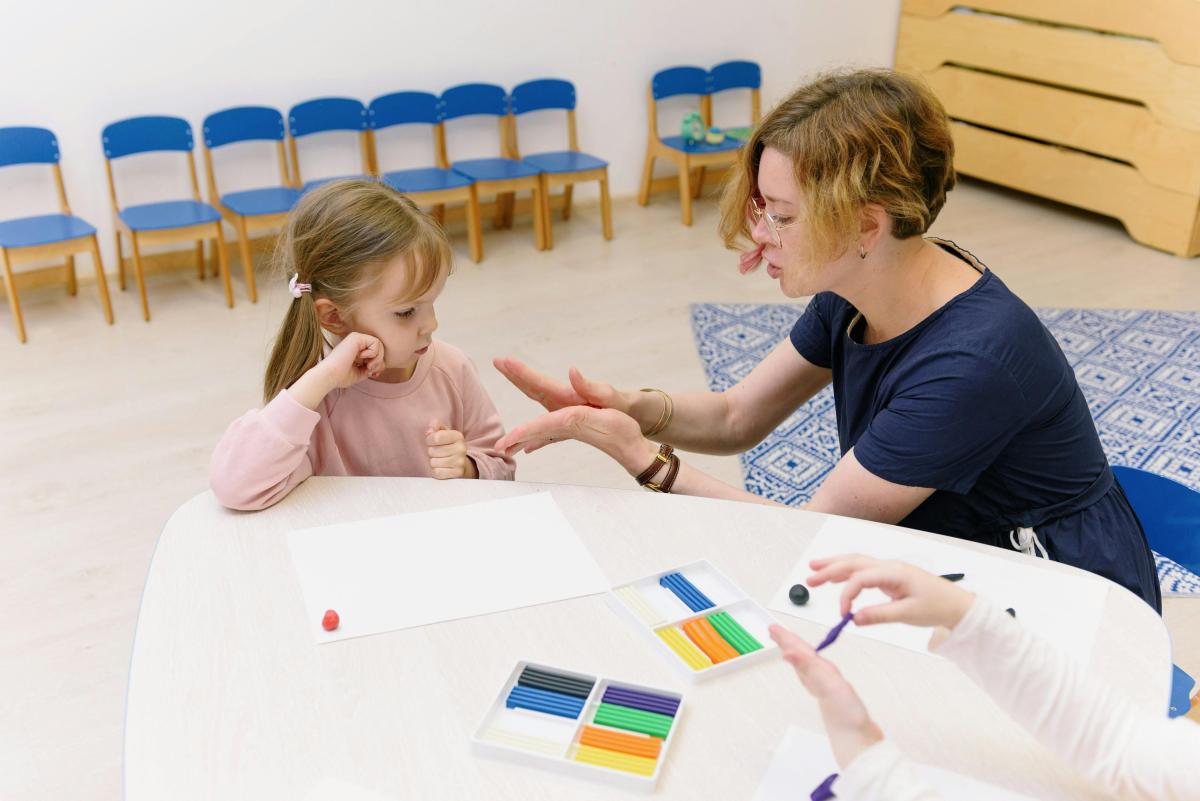
Early childhood education is one of the most important stages in a child’s development, but the teacher’s role in it is often underestimated. We spoke with Mari, a kindergarten teacher with 12 years of experience, to get a closer look at her work, joys, and challenges.
How did you become a kindergarten teacher?
“It came quite naturally. Even as a teenager, I knew I wanted to work with children. I studied early childhood education at the University of Tartu and realized this was my path. I love seeing children grow — how today they learn something they didn’t know yesterday.”
What do you think is the most important part of early education?
“Play is at the heart of learning for young children. We don’t just teach letters or numbers — we help them become independent, caring, and curious individuals. A safe and supportive environment is the foundation for everything.”
What does a typical workday look like for you?
“The day begins with welcoming the children and having a morning circle where we talk about the day, the weather, or something that interests them. Then we move on to activities like art, music, math games, or outdoor learning. Routine is important, but so is flexibility — children are great teachers in that regard.”
What changes have you noticed in today’s children compared to the past?
“They are surrounded by information from a very early age. This makes them more tech-savvy, but also increases the need to teach focus and social skills. We also have more children with special needs, so working with support specialists has become common.”
What’s the hardest part of your job, and what’s the most rewarding?
“The hardest part is seeing a child who needs support, but the system isn’t always able to respond quickly enough. The most rewarding part is when a child says something unexpectedly sincere or laughs from the heart. Those moments are priceless.”
What do you wish parents better understood about early childhood education?
“That kindergarten is not just child-minding — real learning happens here, through play, movement, and conversation. Our cooperation with parents is crucial. When home and kindergarten work together, the child feels more secure and develops better.”
In summary — why do you do this work?
“Because no two days are ever the same. Every child is a world of their own. Their honesty, joy, and unique pace of development inspire me every single day.”