
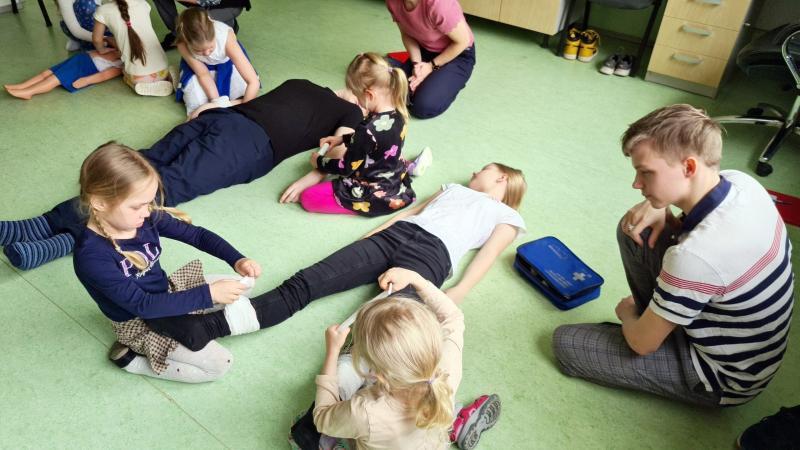
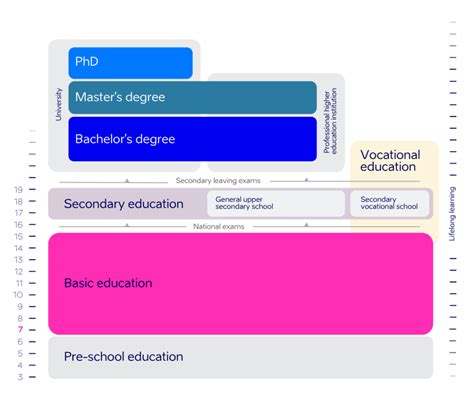
Around the world, early childhood education (ECE) is increasingly recognized as one of the most impactful investments a society can make. Research consistently shows that the first years of a child’s life form the foundation for lifelong learning, emotional well-being, and social integration. As countries work to modernize their educational systems, Estonia has emerged as a global role model—particularly for how it combines pedagogical excellence with digital innovation.
In Estonia, early childhood education is not just childcare—it’s a highly structured, developmental phase that supports children from as young as 18 months until they enter primary school. The national curriculum emphasizes a holistic approach: cognitive development, creativity, emotional intelligence, and social skills are given equal importance. But what sets Estonia apart is how it manages to uphold these values while also embracing technology in a deeply practical and human-centered way.
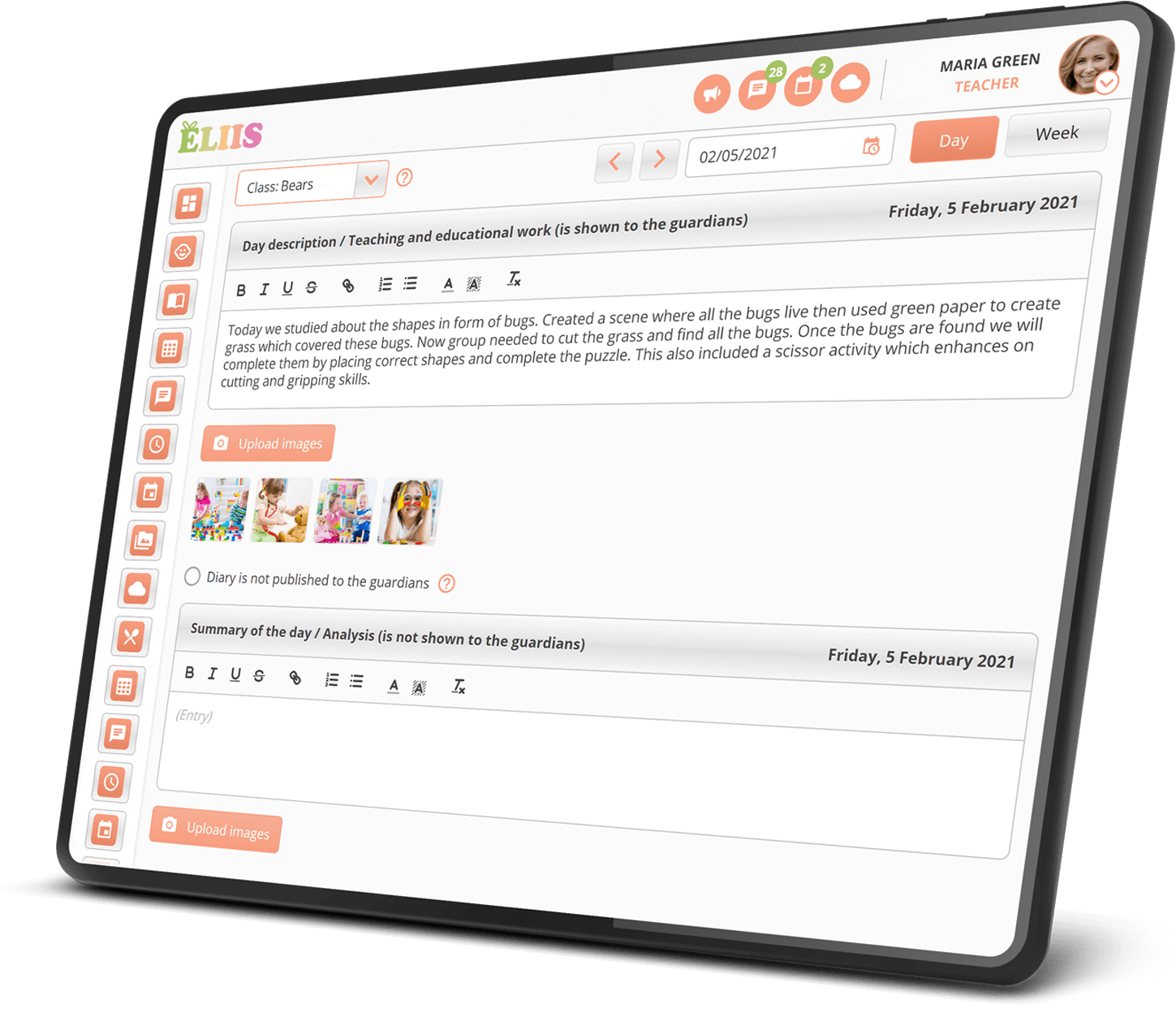
Over the past decade, Estonia has systematically digitized public services, and education has been a major focus of this transformation. A standout example of this is the integration of smart platforms that support kindergarten administration and child development monitoring. One such platform, ELIIS (Eesti Lasteaedade Infosüsteem), plays a crucial behind-the-scenes role in many Estonian kindergartens. Without being intrusive to the learning process, it enables educators and administrators to efficiently plan lessons, track development milestones, communicate with families, and ensure regulatory compliance—all in one place.
What’s remarkable is how seamlessly digital tools like ELIIS are embedded into daily routines. Teachers don’t need to be tech experts to use the system; it’s designed to be intuitive and supportive, rather than time-consuming. This frees up more time for teachers to focus on meaningful interactions with children—something that Estonian educators deeply value. Meanwhile, parents receive real-time insights into their child’s activities and progress, helping build trust and collaboration between families and schools.
Estonia's commitment to innovation is yielding measurable results. The country consistently ranks at the top of international education benchmarks, and its early childhood system is often cited as a model by education experts. The success isn’t simply about having more technology; it’s about using the right tools to amplify what matters most—high-quality, child-centered learning.
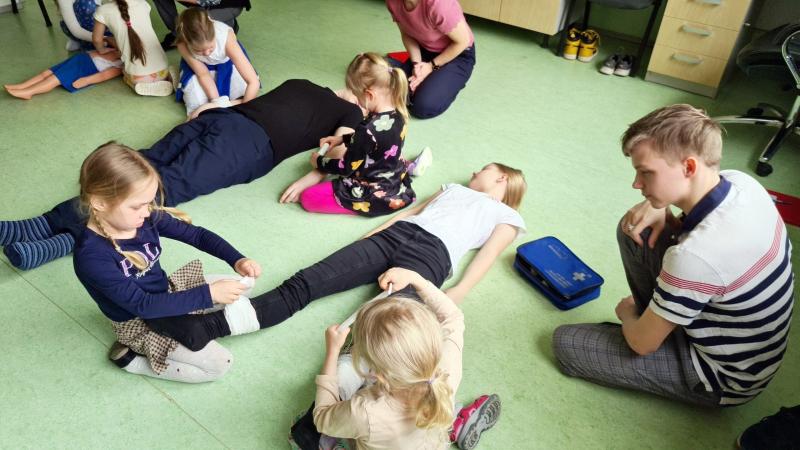
As Estonia continues to share its expertise with other countries, especially through partnerships in places like Ukraine, the holistic and digitally supported model of early childhood education is becoming an exportable strength. It shows that when thoughtfully implemented, technology can be a powerful ally in shaping bright futures from the very beginning.